NDIS Occupational Therapy Adelaide: A Guide to Holistic Care
Summary
Occupational therapy, or OT, is about helping people do the things they want to do. In Adelaide, NDIS occupational therapy looks at the whole person. We call this holistic care. This means we do not just look at a disability. We look at a person's mind, their feelings, and their home. The goal is to help kids and adults learn skills for daily life. This might mean learning how to get dressed. It might mean learning how to stay calm in a loud room.
A big part of OT is making life easier. Therapists in South Australia help you find your own strengths. We help you get past things that stop you from having fun. We use special tools or new ways of doing tasks to build independence. By looking at the big picture, we make sure the help fits your life goals. This team approach gives everyone a chance to join in with their community. It helps people lead a happy and busy life.
Choosing the right help can change a person's life. This guide explains how holistic therapy works for families in the Adelaide area.
What is Holistic Care in Adelaide?
Holistic care means looking at the big picture. We do not just fix one small thing. We look at a person's whole day. We look at their hobbies. We look at their family and their school. We ask what makes them feel happy. We also ask what makes them feel stuck. This helps us make a plan that really works.
In Adelaide, holistic OT is about balance. We want a person to be healthy in their body and their mind. We look at how a loud noise might stop someone from eating. We look at how a physical challenge might stop someone from playing. By connecting these dots, we give help that makes a real change.
The Journey of Occupational Therapy
The "occupations" of life are the things we do every day. For a child, this is playing and learning. For an adult, it might be working or cooking. OT helps people master these jobs. It is very practical.
Step 1: Building Daily Skills
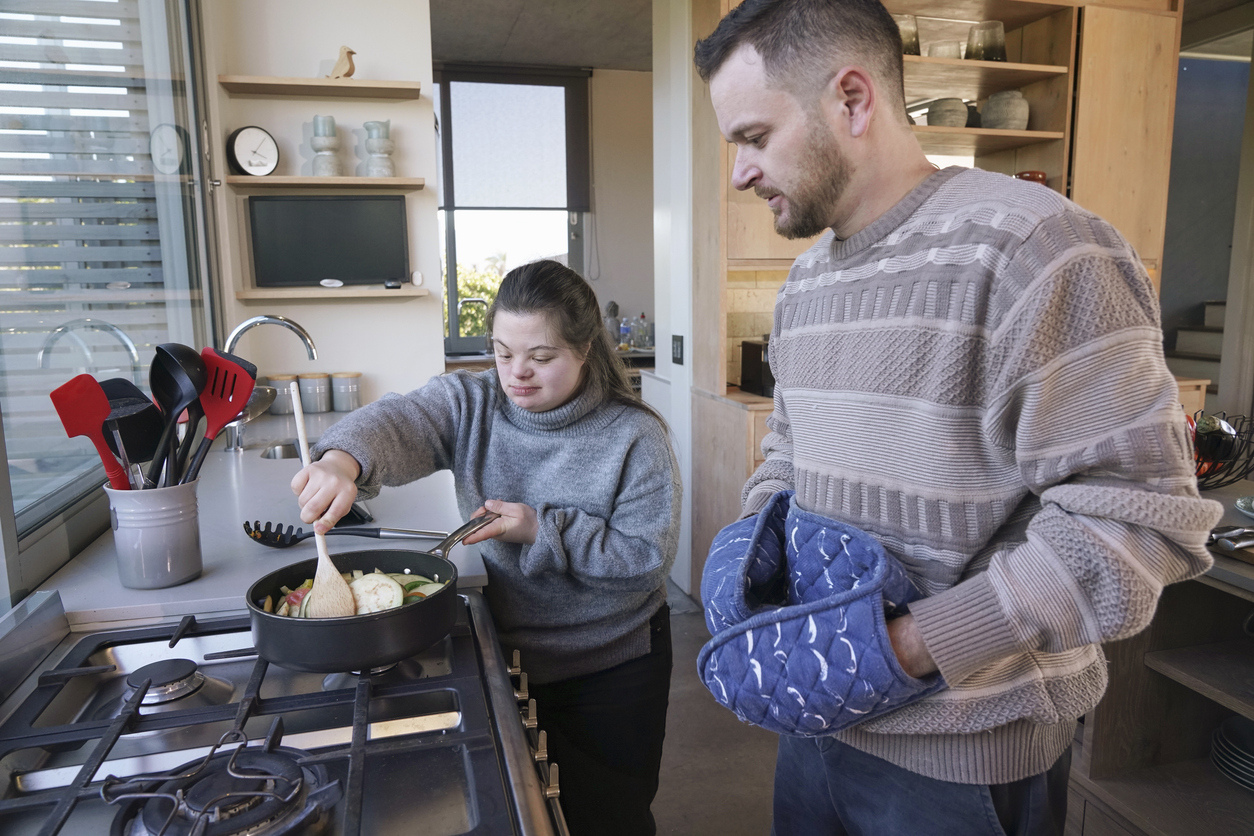
Daily skills are the basics of being independent. This includes showering or tying shoes. An OT helps you find the best way to do these things. Sometimes, we use special tools. These could be easy-to-grip spoons or special chairs. We often practice these things in your own home in Adelaide.
Step 2: Sensory and Emotional Support
Many brains see the world in different ways. Some sounds might feel too loud. An OT is an expert in these feelings. We help create a "sensory diet" to keep a person calm. We also help with big emotions. We teach tools like deep breathing to help people feel in control.
Step 3: Moving Your Body
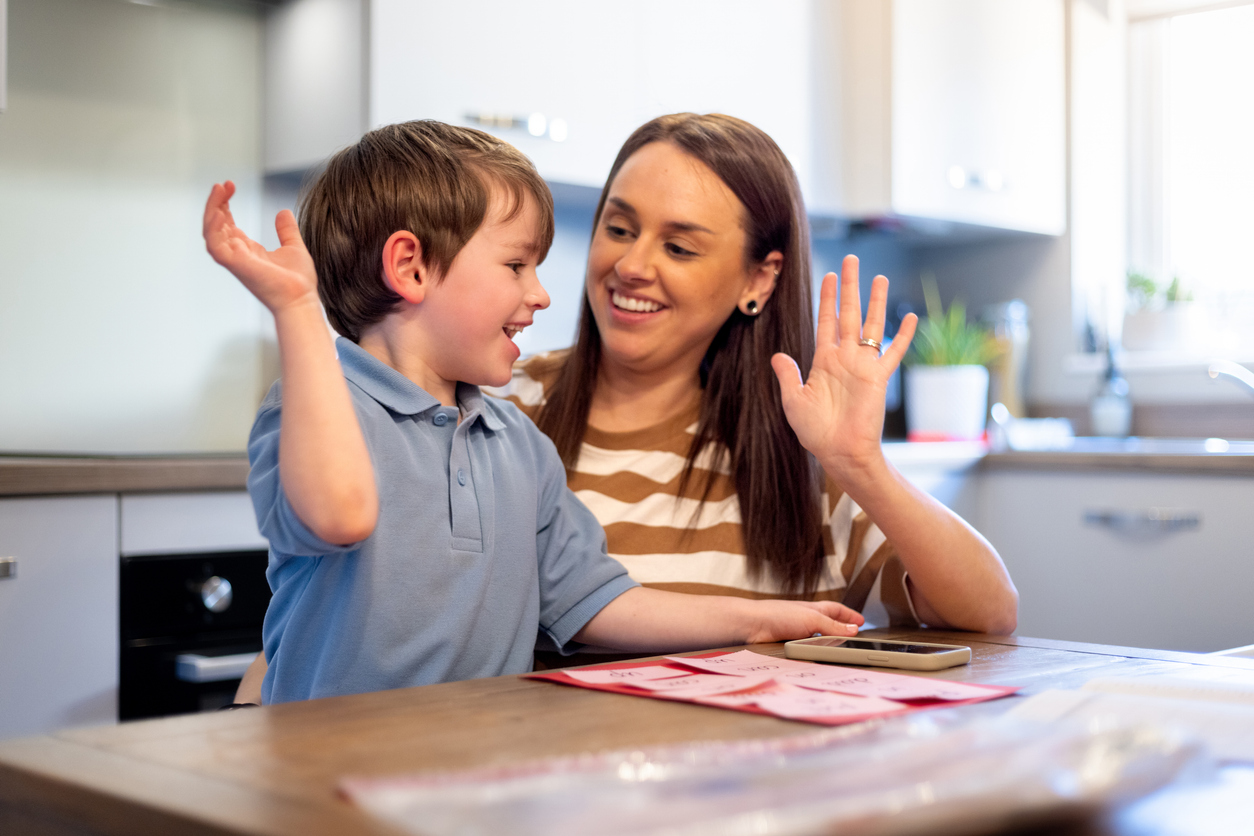
Motor skills are about how we move. Fine motor skills are small moves, like writing. Gross motor skills are big moves, like jumping. OTs use fun games to make muscles stronger. For kids, this often feels like play. We might use playdough to help with finger strength.
Provider Spotlight: How We Support You
Our team at 2b Inclusive uses many ways to help you grow. We offer different types of support depending on what you need.
Group Learning: Our group programs are a great way to meet people. You can practice social skills in a safe place.
Learning for Everyone: We also offer training and workshops. These help families and teachers learn how to support you at home or school.
Making School and Home Better
An OT is a great partner for school life. We can suggest changes to a desk to help a student focus. We can suggest changes to a bathroom to make it safer. These small changes lead to big wins. In South Australia, we work with teachers and parents. We want everyone to work as one team. When we all work together, the participant gets the best results.
Following the Best Health Rules
We base our work on the latest research. We follow the World Health Organization rules for health. We also look at the Occupational Therapy Australia standards. This keeps our care safe and modern.
We also check the Australian Children’s Education & Care Quality Authority for school tips. For NDIS rules, we follow the National Disability Insurance Agency very closely. Finally, we use the Royal Children's Hospital Melbourne for advice on kids' health.
If you need help, please contact us today. We can help you find the right NDIS occupational therapy in Adelaide for your goals.
Frequently Asked Questions
Is OT different from Physiotherapy?
Yes. Physiotherapy is about how the body moves. Occupational therapy is about how you use your body to do daily tasks. OT is very much about "doing" things.
Can OT help my child at school?
Yes. An OT can help with handwriting and sitting still. We work with teachers to make sure students have what they need to learn.
Do you see adults too?
Yes. We support people of all ages. For adults, we often help with finding a job or living on their own.
How do I get started?
You can call us or send an email. We will meet with you to talk about your goals. Then, we start making a plan together.